
Best Foods & Habits to Improve Gut Health Naturally in 30 Days
What You'll find here!
I’ll be honest: my gut and I haven’t always been friends. Although my metabolism was always fast, its really not a great excuse to be unhealthy. Between late-night pizza runs and stress-eating during university deadlines, my stomach used to send me daily protest letters. That’s when I started experimenting with small changes—foods, habits, and a little science-backed tinkering. Within a month, the difference was night and day.
If you’ve been feeling bloated, sluggish, or just “off,” don’t panic. Your gut can bounce back faster than you think. Let’s talk about what really works for improving gut health naturally—and how you can feel the changes in just 30 days.

Why Gut Health Matters
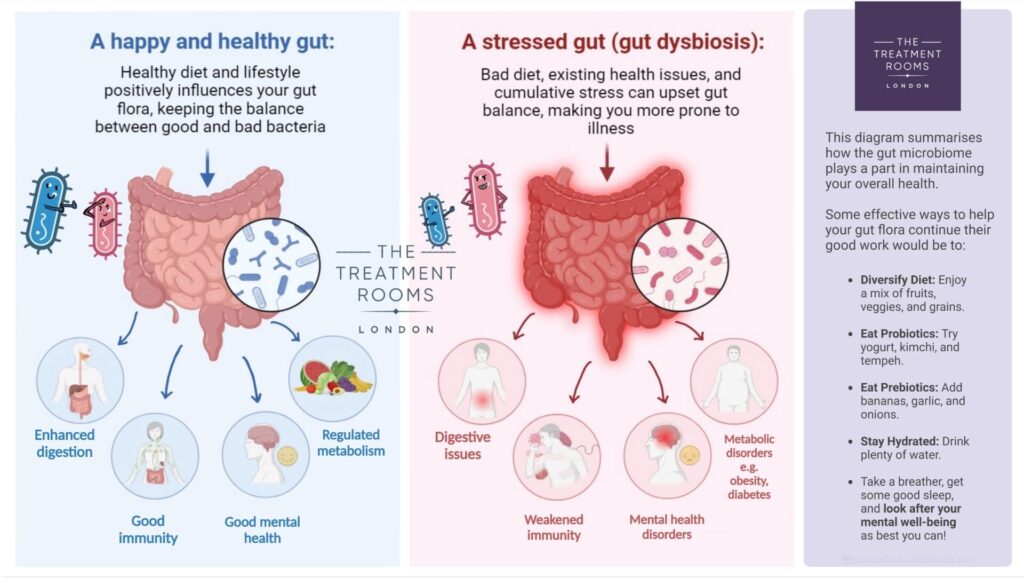
Your gut isn’t just about digestion—it’s basically mission control for your entire body. A balanced gut microbiome (all those tiny bacteria living in your intestines) supports:
Stronger immunity
More stable mood (yes, your gut talks to your brain!)
Better digestion and nutrient absorption
Even clearer skin
When the balance tips, you might notice bloating, brain fog, fatigue, or sugar cravings that feel impossible to resist. The good news? You can reset it with daily choices.
Week-by-week 30-day plan
Week 1: Start With Gut-Friendly Foods
Here’s what I added to my cart first:
Fermented foods: Think yogurt, kefir, sauerkraut, kimchi, and miso. They’re packed with probiotics—the “good” bacteria your gut craves.
Prebiotic fibers: Garlic, onions, bananas, asparagus, and oats feed those probiotics so they thrive.
Hydrating foods: Cucumbers, celery, and watermelon help digestion flow smoothly.
💡 Tip: Start small. Too much fiber too fast = gas and bloating. I learned that the hard way after eating a mountain of broccoli.
Week 2: Swap Out Gut Disruptors
This was painful, but effective:
Cut back on sugar – Bad bacteria love it, and they multiply fast.
Limit alcohol – Even moderate drinking can mess with the microbiome.
Watch artificial sweeteners – Some studies show they alter gut bacteria balance.
I’m not saying you can’t have dessert. I swapped candy for dark chocolate (70%+)—rich in polyphenols, which actually feed healthy gut bacteria. Win-win.
Week 3: Build Gut-Healthy Habits
Food is only half the story. Habits matter just as much:
Chew slowly: Digestion starts in your mouth, not your stomach.
Stay consistent with meals: The gut loves routine. Random eating schedules throw it off.
Hydrate smarter: Aim for 8 glasses of water a day, but spread them out. (Chugging a liter at once isn’t helpful—I tried, regretted it.)
Move daily: Even light exercise, like walking, helps regulate digestion.
Week 4: Mind-Gut Connection
This one surprised me the most. Stress was wrecking my gut. Research shows chronic stress changes your microbiome. So, I started:
Deep breathing for 5 minutes daily (before bed)
Short journaling sessions—dumping thoughts onto paper kept my gut calmer than coffee refills.
Yoga twice a week—gentle stretches actually eased my bloating.
Honestly, this week was when I noticed the biggest shift—less bloating, more energy, and clearer focus.
The Best Foods for Gut Health
When it comes to healing and supporting your gut, food is the real foundation. Here’s a simple list of gut-friendly staples you can start adding to your meals today:
Fermented Foods (Probiotics)
Yogurt with live cultures
Kefir (a fermented milk drink packed with probiotics)
Kimchi and sauerkraut
Miso and tempeh
Kombucha (fermented tea)
Prebiotic Foods (Feed the Good Bacteria)
Garlic and onions
Asparagus and leeks
Bananas (especially slightly green ones)
Oats and barley
Apples (high in pectin, a gut-friendly fiber)
Fiber-Rich & Hydrating Foods
Leafy greens like spinach and kale
Chia seeds and flaxseeds
Lentils and beans
Cucumbers, watermelon, and oranges (great for hydration)
Bone broth (soothes and supports the gut lining)
These foods work together—prebiotics feed the probiotics, fiber keeps things moving, and hydration ensures your digestive system functions smoothly.
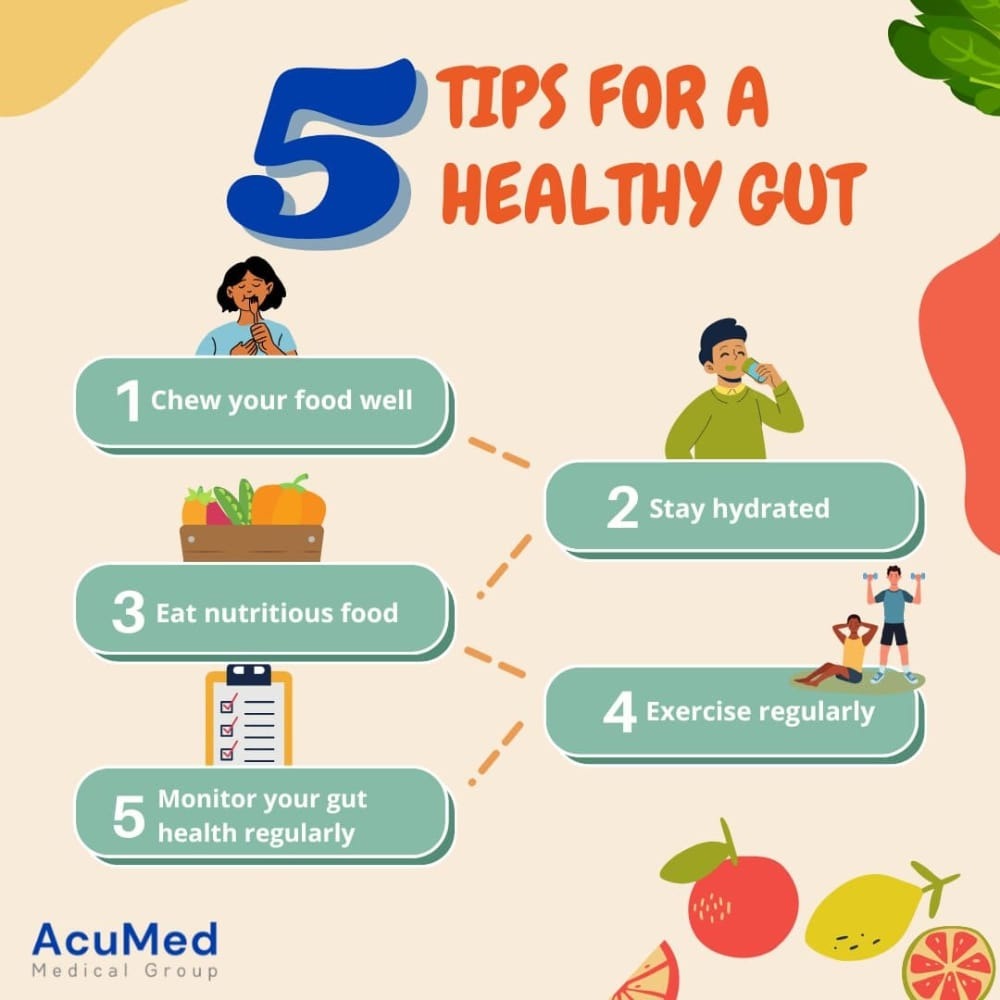
Food is only half the story. The way you eat and live day-to-day has just as much impact on your gut. Try building these habits into your routine:
Chew slowly and thoroughly – Digestion starts in the mouth. Giving food time to break down helps reduce bloating and discomfort.
Set regular meal times – Eating at consistent times supports your body’s natural rhythm and keeps your gut bacteria balanced.
Manage stress – High stress can upset the gut-brain connection. Meditation, deep breathing, or even a 10-minute walk can make a difference.
Prioritize sleep – Aim for 7–9 hours. Poor sleep disrupts digestion and can throw your microbiome off balance.
Move daily – Light exercise like walking, yoga, or stretching helps stimulate digestion and keeps things flowing.
These small changes compound over time, and your gut will feel the benefits within weeks.
1. How fast can gut health improve?
Most people notice small changes—like reduced bloating or better energy—within 2–4 weeks of consistent changes. Long-term balance can take a few months.
2. Do probiotics really work?
Yes, but results vary depending on the strain and your diet. Probiotics work best when paired with prebiotic foods that feed the good bacteria (Harvard Health).
3. What are signs of a healthy gut?
Regular, comfortable digestion
Steady energy levels
Clearer skin
Less bloating and discomfort
Stronger immunity (fewer colds and infections)
Small changes, but the right ones!
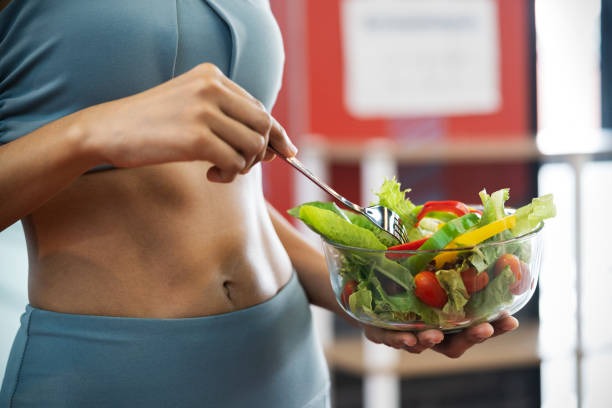
Improving your gut health doesn’t require a complicated cleanse or expensive supplements. By focusing on the right foods, building supportive habits, and staying consistent, you can feel a real difference in just 30 days.
And if you’ve already tried some of these tips, I’d love to hear from you—drop a comment below and share the gut-friendly habit that’s helped you the most.
Your story might inspire someone else to begin their own reset.
Try for yourself!
Boost your digestion and energy with two of the best-reviewed wellness supplements.
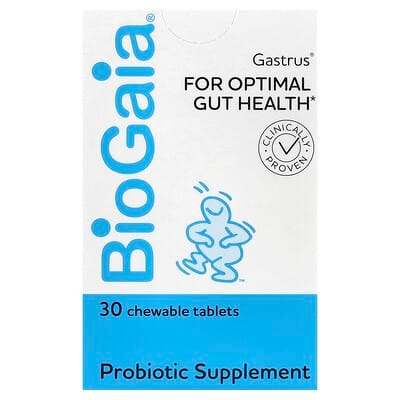
Top-rated for digestion and bloating — see why it’s one of iHerb’s best-selling probiotics. Check It Out →
Product rankings:
#2 in Gas & Bloat Formulas
#2 in Antacids & Digestive Relief
#5 in Lactobacillus
#15 in Probiotics
#23 in Gut Health
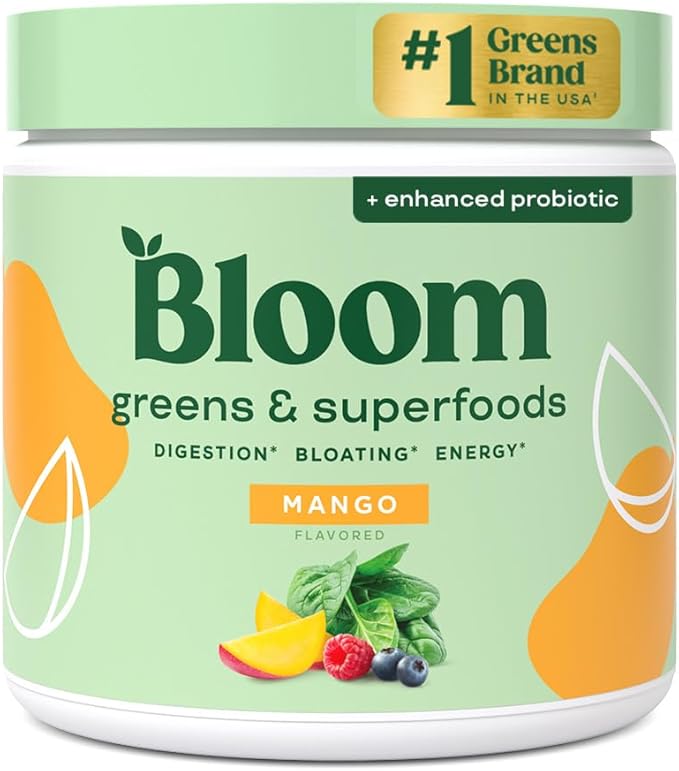
Bloom Nutrition’s Mango Superfood Greens Powder blends probiotic + prebiotic support with digestive enzymes and superfoods like chlorella and beet root. Users praise it for reducing bloating and boosting daily nutrient intake. Check it Out →
+ 8000 reviews and Best Seller on Amazon
Highlighted by Glamour in their “Best Greens Powders” roundup specifically for “bloating relief”
Latest Posts
Want no-BS supplement breakdowns like this every week? Join my newsletter and get straight-to-the-point wellness tips that cut through the hype.