
Does Creatine Cause Hair Loss? (What the Science Actually Says)
What You'll find here!
- The Short Answer: Does Creatine Cause Hair Loss?
- The 2009 Study Everyone Cites (But Misunderstands)
- What Actually Causes Hair Loss (And Where DHT Fits In)
- Who Should Be Cautious About Creatine and Hair Loss
- The Studies That Show Creatine Doesn't Cause Hair Loss
- Should You Take Creatine If You're Worried About Hair?
- FAQs: Does Creatine Cause Hair Loss?
- What This Really Comes Down To
You’re about to start taking creatine. You’ve read about the strength gains, the muscle growth, the performance benefits. Then you see it—someone on Reddit claiming creatine made them go bald. A friend mentions they stopped taking it because their hairline started receding. Now you’re paralyzed.
Here’s the truth: Creatine does not directly cause hair loss in most people. But there’s a reason this myth refuses to die, and if you’re genetically predisposed to male pattern baldness, there’s a nuanced conversation worth having.
This guide breaks down the actual science—including the one study everyone references but almost nobody has actually read. You’ll learn what creatine does to DHT (the hormone linked to hair loss), who should be cautious, and how to take creatine safely without destroying your hairline.
Let’s separate myth from reality.
The Short Answer: Does Creatine Cause Hair Loss?
No, creatine does not cause hair loss in people who aren’t already genetically predisposed to male pattern baldness (androgenic alopecia).
Creatine doesn’t kill hair follicles. It doesn’t trigger new hair loss in people with healthy hair genetics. What it may do—and this is debated—is slightly accelerate hair loss in men who were already going to lose their hair eventually due to genetics.
Think of it this way: If you don’t have the genes for male pattern baldness, creatine won’t make you bald. If you do have those genes, creatine might speed up a process that was already happening.
The 2009 Study Everyone Cites (But Misunderstands)
The entire “creatine causes hair loss” panic stems from one study published in 2009 by van der Merwe and colleagues. Here’s what actually happened:
The study: 20 male rugby players took creatine for 3 weeks (7 days loading phase at 25g/day, then 5g/day maintenance). Researchers measured their DHT (dihydrotestosterone) levels—a hormone that shrinks hair follicles in men genetically prone to baldness.
The results:
- DHT increased by 56% after the loading phase
- DHT remained 40% above baseline during the maintenance phase
- Total testosterone did not change significantly
What the study did NOT show:
- It did not measure actual hair loss
- It did not track participants’ hairlines over time
- It did not prove creatine causes baldness
- Sample size was tiny (20 people)
Why this matters: Elevated DHT doesn’t automatically mean hair loss. It means if you have the genetic sensitivity to DHT (the genes that make your hair follicles shrink in response to DHT), then higher DHT levels could accelerate that process. If you don’t have those genes, elevated DHT won’t do anything to your hair.
What Actually Causes Hair Loss (And Where DHT Fits In)
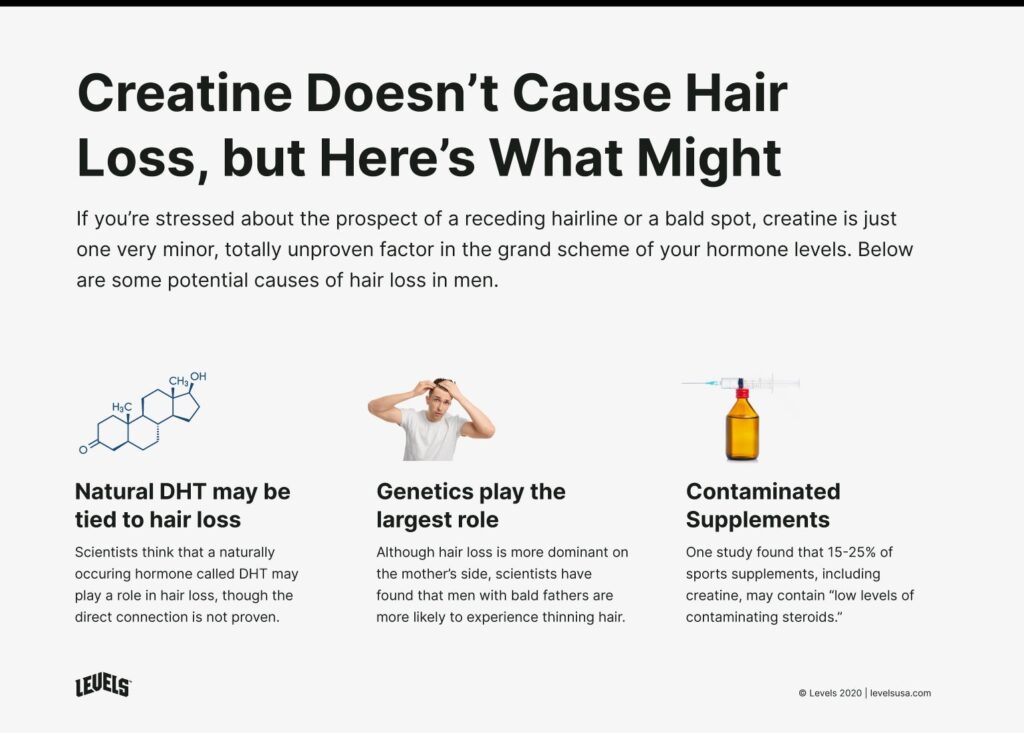
Male pattern baldness is caused by genetics + DHT sensitivity, not creatine.
Here’s how it works:
DHT (dihydrotestosterone) is a more potent form of testosterone. It’s created when an enzyme called 5-alpha reductase converts testosterone into DHT. DHT is important for muscle growth, strength, libido, and male development—but it also binds to hair follicles.
If you have the genetic predisposition for male pattern baldness:
- Your hair follicles have androgen receptors that are overly sensitive to DHT
- When DHT binds to these receptors, it shrinks (miniaturizes) the follicles over time
- Hair grows thinner, weaker, and eventually stops growing altogether
If you don’t have the genetic predisposition:
- Your hair follicles don’t respond to DHT the same way
- Higher DHT levels don’t shrink your follicles
- Your hair stays put
Creatine might raise DHT slightly (based on one small study), but DHT only causes hair loss if you already have the genetic wiring for it. Blaming creatine is like blaming the gasoline for a car crash when the brakes were already broken.
Who Should Be Cautious About Creatine and Hair Loss
If you fit into any of these categories, you may want to proceed carefully:
✅ You have a strong family history of male pattern baldness (father, grandfather, uncles all bald or thinning)
✅ You’re already experiencing hair thinning or a receding hairline
✅ You’re in your late 20s-40s (when androgenic alopecia typically accelerates)
✅ You’ve noticed hair shedding after taking creatine in the past
Creatine probably won’t cause hair loss, but it might speed up a process that’s already happening. You’re not doomed—you just need to weigh the performance benefits against the potential cosmetic downside.
How to Take Creatine Safely (If You're Worried About Hair)
If you want the benefits of creatine but you’re concerned about hair loss, here’s the smart approach:
1. Skip the Loading Phase
The 2009 study showed the biggest DHT spike during the loading phase (25g/day). Most people don’t need a loading phase anyway—it just saturates your muscles faster. Take 5g/day from day one. You’ll reach full saturation in 3-4 weeks instead of 1 week, but your DHT levels won’t spike as aggressively.
2. Monitor Your Hair Over 3-6 Months
Track your hairline with photos every 2 weeks. If you notice accelerated shedding or thinning, you have data to make a decision. Most people notice zero change.
3. Consider a DHT-Blocking Shampoo
Ketoconazole shampoo (Nizoral) is a mild DHT blocker that works topically. Use it 2-3x per week if you’re paranoid. It won’t interfere with creatine’s benefits, but it may reduce DHT’s effect on your scalp.
4. Support Hair Health From the Inside
- Biotin (5,000-10,000 mcg/day): Supports keratin production
- Collagen peptides (10-20g/day): Provides amino acids for hair structure
- Saw palmetto (320mg/day): Natural 5-alpha reductase inhibitor (blocks DHT conversion)
5. Don’t Panic Over Normal Shedding
You shed 50-100 hairs per day naturally. Starting creatine might make you hyper-aware of normal shedding. Don’t confuse increased awareness with increased hair loss.
The Studies That Show Creatine Doesn't Cause Hair Loss
The 2009 DHT study gets all the attention, but multiple other studies show no connection between creatine and hair loss:
- A 2021 systematic review found no evidence of hair loss in any creatine supplementation trials
- Thousands of athletes have used creatine for 20+ years without widespread baldness reports
- Follow-up studies measuring DHT after creatine supplementation showed conflicting results—some showed no change at all
The reality: If creatine caused significant hair loss, we’d see epidemic-level baldness in the bodybuilding and athletic communities. We don’t.
Should You Take Creatine If You're Worried About Hair?
If you have zero genetic predisposition to baldness: Take creatine. The benefits massively outweigh a non-existent risk.
If you have a family history of baldness but no current hair loss: Take creatine, skip the loading phase, and monitor your hair for 3-6 months. Most people in this category see zero issues.
If you’re already experiencing hair thinning or a receding hairline: This is a personal decision. Creatine might accelerate what’s already happening. You need to weigh 10-15% strength gains against potentially faster hair loss. For some guys, the tradeoff is worth it. For others, it’s not.
If you’ve taken creatine before and noticed hair shedding: Trust your body. Either skip creatine or use a DHT blocker alongside it.
1. Does creatine monohydrate cause hair loss?
No direct evidence shows creatine monohydrate causes hair loss. One small study showed it raised DHT, but DHT only affects hair in people genetically predisposed to male pattern baldness.
2. Will I go bald if I take creatine?
Not unless you were already going to go bald due to genetics. Creatine doesn’t create baldness—it may (emphasis on may) accelerate it slightly in those already predisposed.
3. How long after taking creatine does hair loss start?
If creatine were to affect your hair (which is rare), you’d likely notice increased shedding within 2-3 months. Most people never notice any change.
4. Does stopping creatine reverse hair loss?
No. If genetic hair loss has started, stopping creatine won’t reverse follicle miniaturization. You’d need medical treatments like finasteride or minoxidil for that.
5. Can women take creatine without losing hair?
Yes. Women have significantly lower DHT levels and rarely experience DHT-driven hair loss. Creatine is safe for women’s hair.
6. Is creatine worth the risk if I’m already thinning?
That’s personal. If you’re already losing hair and creatine might speed it up by 6-12 months, you need to decide if the strength and performance gains are worth that tradeoff.
What This Really Comes Down To
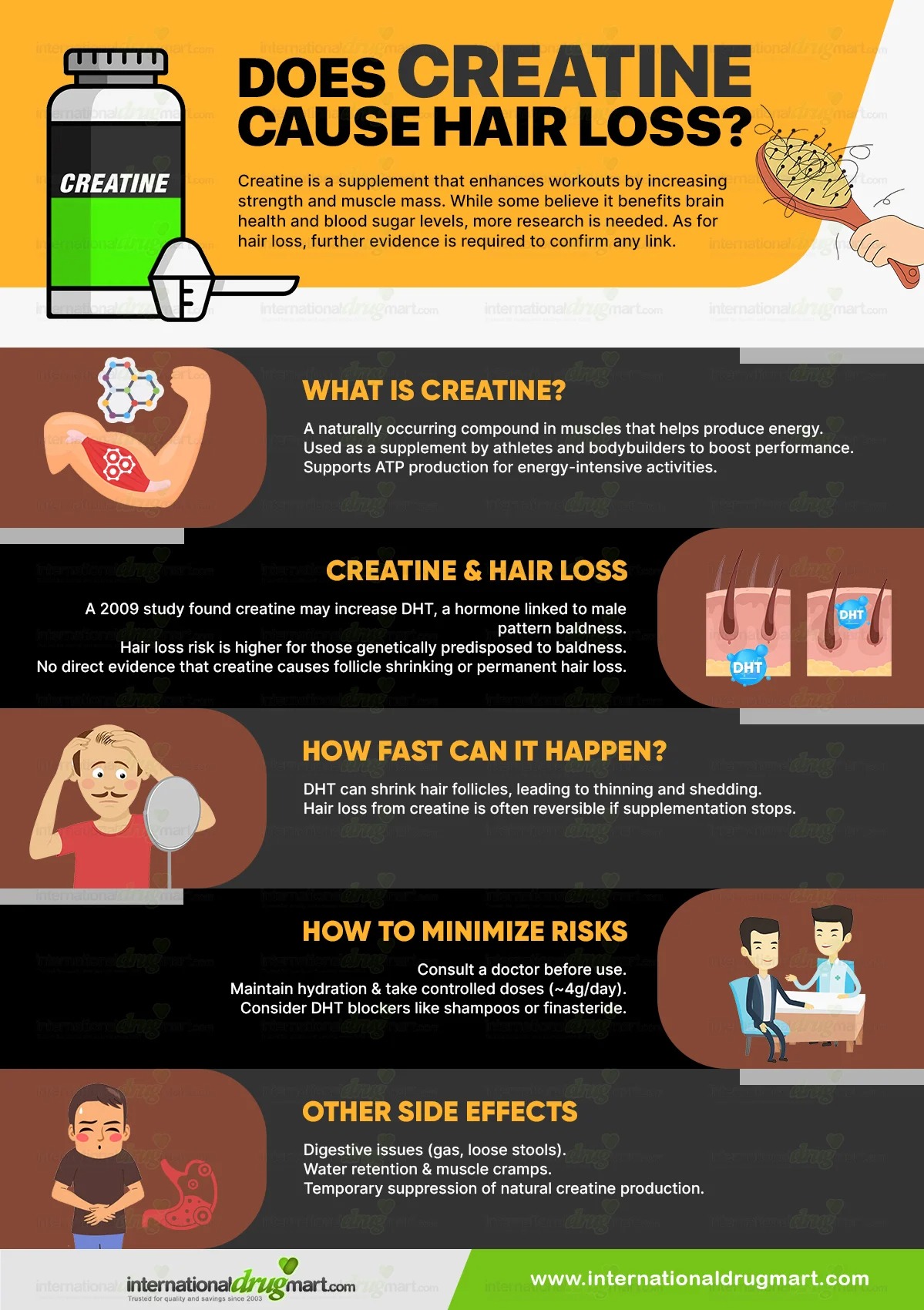
Creatine does not cause hair loss in the vast majority of people. The panic stems from one small study that showed a DHT increase—but DHT only matters if you have the genetic predisposition to male pattern baldness.
If you don’t have baldness in your family: Take creatine without worry.
If you do have baldness in your family: Start with 5g/day (no loading), monitor your hair for 3 months, and consider a DHT-blocking shampoo or saw palmetto supplement as insurance.
Creatine is one of the safest, most effective supplements in existence. Don’t let an overblown myth rob you of 10-15% strength gains and better muscle growth.
Editor's Picks
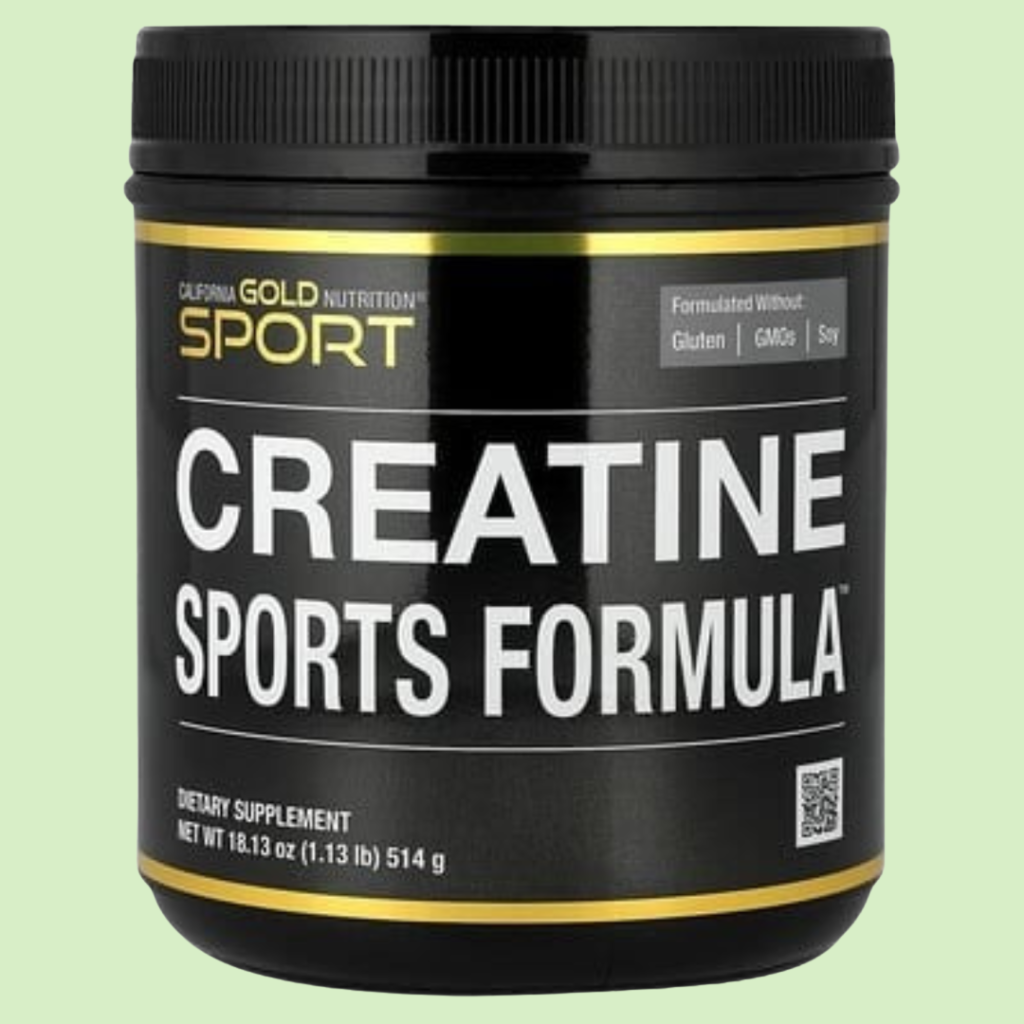
California Gold Nutrition, Sport, Pure Creatine Monohydrate, Unflavored, 1 lb (454 g)
- 100% Pure Creatine Monohydrate: No fillers, flavors, or additives
- 5g Clinical Dose Per Scoop: Exactly what studies recommend
- Third-Party Lab Tested: iTested verified for purity
- Unflavored & Versatile: Mix in any drink, shake, or smoothie
- #1 Best Seller: 40,000+ sold in 30 days
4.8 rating based on 25.000+ reviews
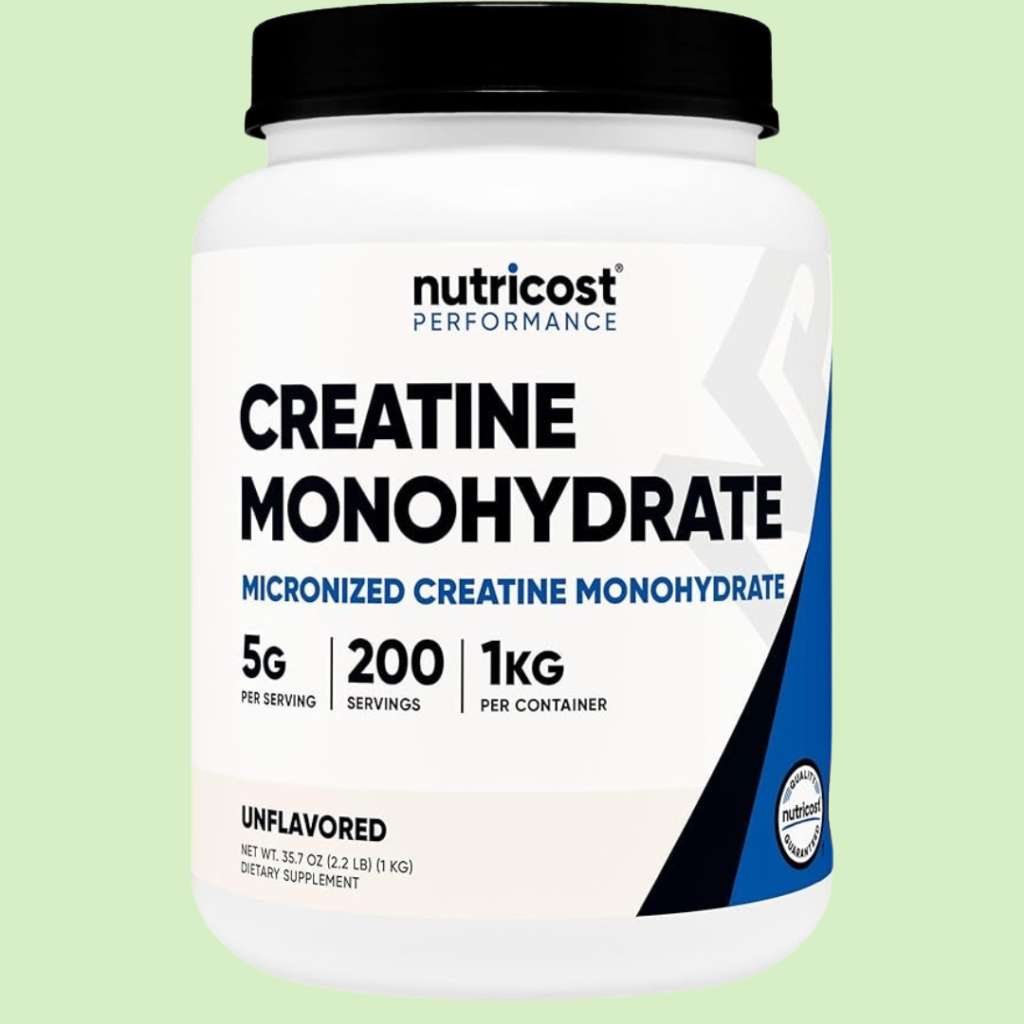
Nutricost Creatine Monohydrate Micronized Powder (1 KG) - Pure Creatine Monohydrate
- 200 Servings Per Container: 6+ months supply
- Micronized for Better Mixing: No clumping or gritty texture
- 52,000+ Verified Reviews: Proven quality at scale
- Zero Fillers or Additives: Just pure creatine monohydrate
- GMP Certified Facility: Third-party quality standards
4.6 rating based on 50.000+ reviews
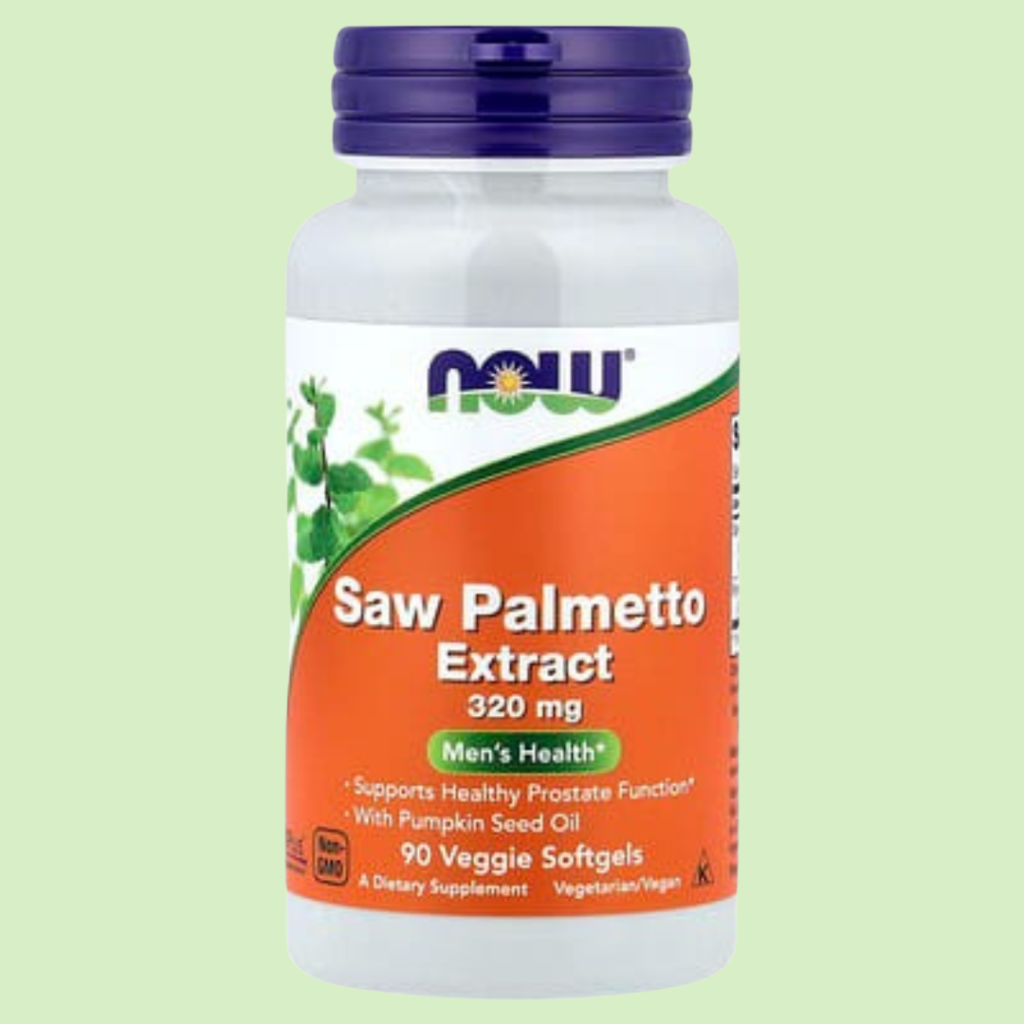
NOW Foods, Saw Palmetto Extract, 90 Veggie Softgels
- 320mg Clinical Strength Dose: Research-backed amount
- Natural DHT Blocker: Inhibits 5-alpha reductase enzyme
- With Pumpkin Seed Oil: Scalp and hair support
- Vegan & Non-GMO: Clean, plant-based formula
- Family Owned Since 1968: Trusted quality standards
4.7 rating based on 10.000+ reviews
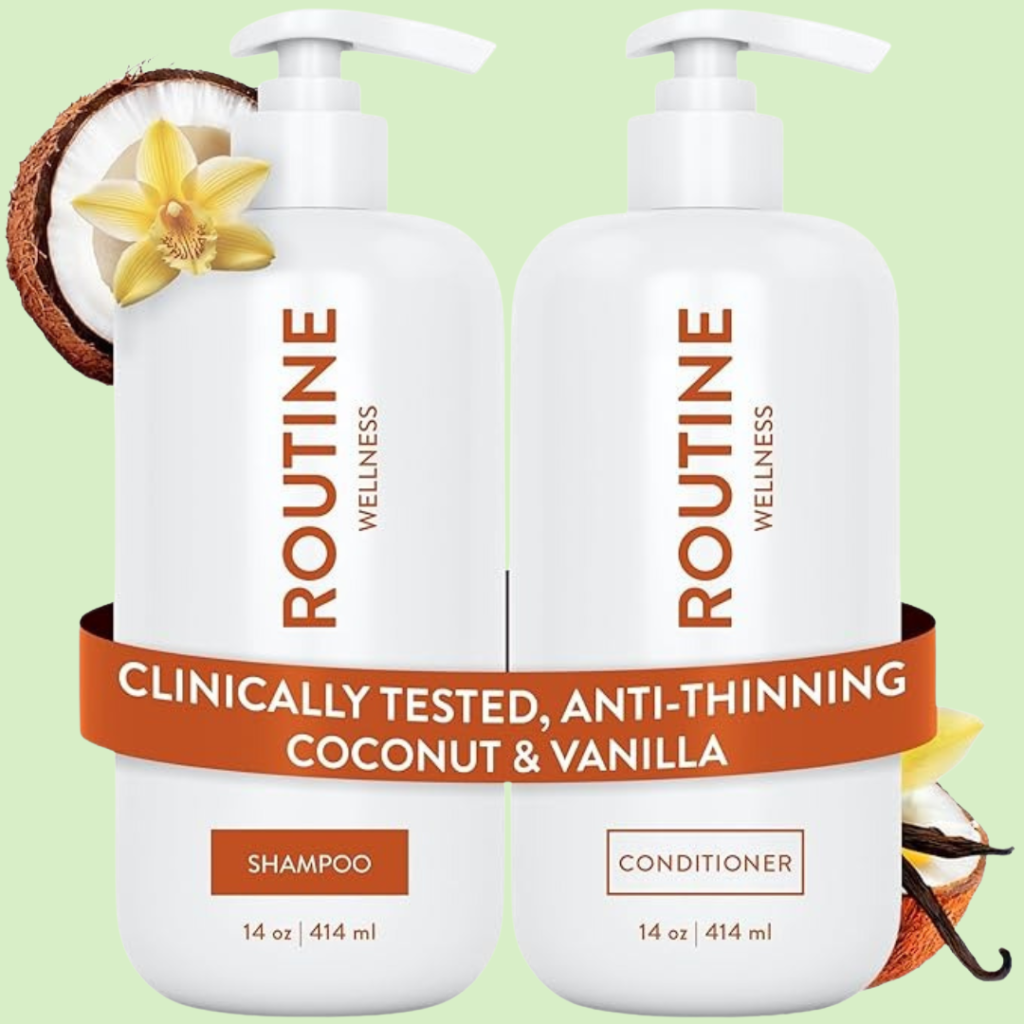
Routine Wellness Anti-Thinning Shampoo and Conditioner Set for Thinning Hair - Biotin DHT Blocker Women & Men
- #1 Best Seller on Amazon: 10,000+ bought last month
- DHT Blocker + Hair Growth Formula: Saw palmetto, biotin, pea peptides
- Clinically Shown to Reduce Thinning: Real results in 90 days
- Sulfate-Free & Color Safe: Won't strip or damage hair
- Works for Men & Women: All hair types, fresh coconut-vanilla scent
4.2 rating based on 9000+ reviews
Related Posts
Want no-BS supplement breakdowns like this every week? Join my newsletter and get straight-to-the-point wellness tips that cut through the hype.