
How to Improve Sleep Quality Naturally (Science-Backed Guide)
What You'll find here!
You’re getting your 8 hours. You go to bed on time. You even avoid screens before bed. So why do you still wake up feeling like you’ve been hit by a truck?
Here’s the uncomfortable truth: sleep duration isn’t the same as sleep quality. You can lie in bed for 9 hours and still get less restorative rest than someone who sleeps 6.5 hours with optimized deep and REM cycles. Most people obsess over logging enough hours while completely ignoring whether those hours are actually rebuilding their body and brain.
This guide breaks down the specific, research-backed strategies that improve sleep quality naturally—no prescriptions, no melatonin dependency, just practical changes that work with your biology. You’ll learn why you’re waking at 3am, how to deepen your sleep cycles, and which cheap supplements actually have clinical backing (spoiler: it’s not what wellness influencers are pushing).
Sleep quality affects everything from fat loss and muscle recovery to gut health and hormone production. Let’s fix it.

What Is Sleep Quality? (And Why It Matters)
Sleep quality refers to how restorative your sleep is—specifically, how much time you spend in deep sleep (slow-wave sleep) and REM sleep, and how few times you wake up during the night.
You can sleep 8 hours but only get 45 minutes of deep sleep. Or you can sleep 7 hours with 90 minutes of deep sleep. The second scenario wins every time.
Here’s what actually matters:
Deep sleep (slow-wave sleep): This is when your body repairs muscle tissue, consolidates memory, releases growth hormone, and clears metabolic waste from your brain. Adults need 13-23% of total sleep time in deep sleep (roughly 60-110 minutes per night).
REM sleep: Critical for emotional regulation, memory consolidation, and creativity. You should hit 20-25% of your sleep in REM (about 90-120 minutes).
Sleep continuity: How often you wake up matters. Even brief awakenings fragment your sleep cycles and prevent you from reaching deep restorative stages.
Why you wake up tired: You’re likely getting stuck in light sleep, waking frequently (even if you don’t remember it), or your circadian rhythm is misaligned. Your Fitbit might say “7 hours,” but if only 30 minutes were deep sleep, you’re running on fumes.
7 Science-Backed Ways to Improve Sleep Quality
1. Fix Your Light Exposure
Your circadian rhythm—the internal clock that regulates sleep-wake cycles—is controlled primarily by light exposure. Screw this up, and nothing else matters.
Morning sunlight (10-30 minutes within 1 hour of waking): This triggers cortisol release and sets your circadian clock. Studies show morning light exposure advances your circadian phase, making it easier to fall asleep at night and increases deep sleep by up to 20%. Get outside, no sunglasses, no windows filtering the light.
Reduce blue light at night (2-3 hours before bed): Blue wavelengths suppress melatonin production. Dim lights after sunset, use blue light blocking glasses if you’re watching TV, and enable night mode on all devices. One study found that blocking blue light 3 hours before bed increased melatonin production by 58%.
The fix: Sunlight in the morning, darkness at night. This one habit cascades into better sleep quality more than almost anything else.
2. Regulate Your Sleep-Wake Time
Going to bed at 11pm Monday, 1am Tuesday, 10pm Wednesday destroys sleep quality even if you’re getting “enough” hours.
Why consistency matters: Your body releases melatonin, drops core temperature, and shifts into parasympathetic mode at consistent times when you maintain a schedule. Variable sleep times fragment your circadian rhythm and reduce deep sleep by up to 30%.
The fix: Pick a consistent bedtime and wake time (yes, even weekends—at least within 1 hour). Your body will start preparing for sleep automatically 2-3 hours before your target bedtime once the pattern is established.
3. Lower Nighttime Cortisol
Elevated cortisol at night is one of the most common reasons people can’t fall asleep or wake at 3am. Chronic stress keeps your sympathetic nervous system (fight-or-flight) activated when you should be in parasympathetic mode (rest-and-digest).
What works:
- 10-minute breathing practice: 4-7-8 breathing (inhale 4 seconds, hold 7, exhale 8) activates your vagus nerve and lowers cortisol measurably within minutes
- Journaling: A 5-minute brain dump before bed reduces rumination and racing thoughts
- Magnesium supplementation: Magnesium regulates the HPA axis (stress response system) and promotes GABA activity (calming neurotransmitter)
The fix: Build a 15-minute wind-down routine that signals to your nervous system that the day is over. This isn’t woo-woo—it’s neurobiology.
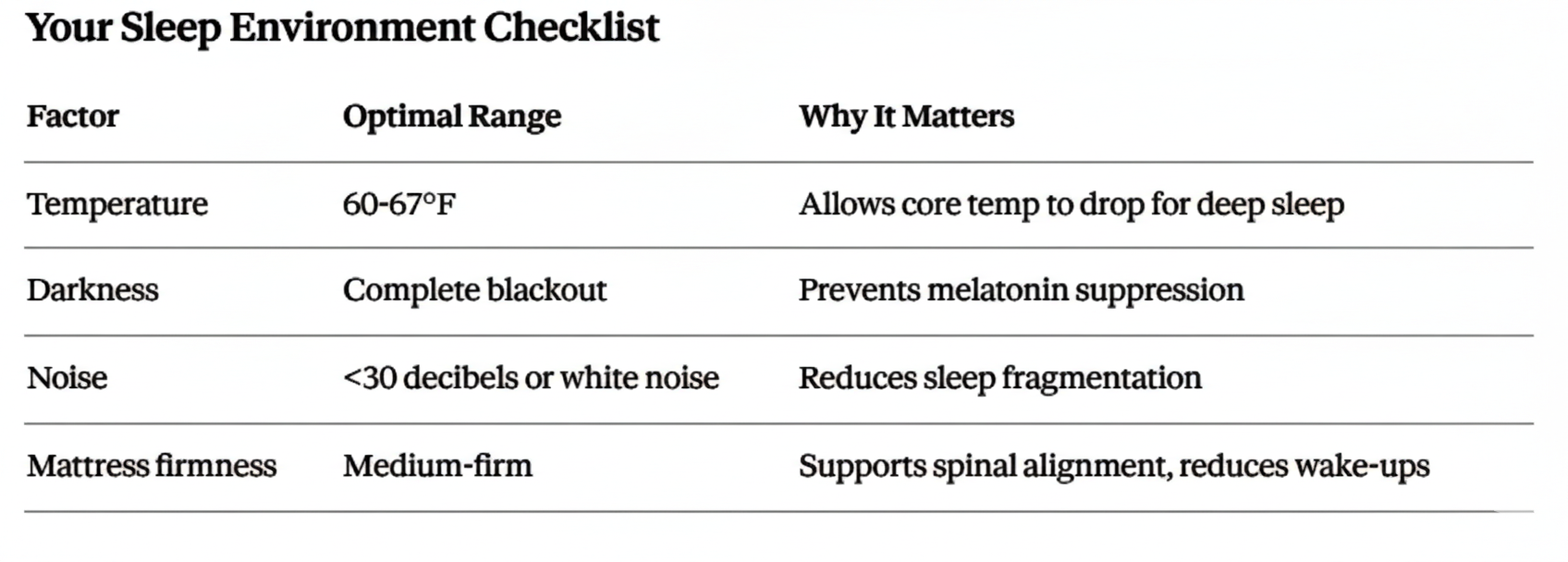
4. Optimize Bedroom Temperature
Your core body temperature needs to drop 2-3 degrees Fahrenheit to initiate sleep. If your room is too warm, your body can’t reach the thermoregulatory state required for deep sleep.
Ideal range: 60-67°F (15-19°C). Most people sleep in rooms that are too warm.
Why it matters: Studies show that even a 1-degree increase in room temperature can reduce deep sleep by 10-15%. Cooler temperatures also increase REM sleep duration.
The fix: Lower the thermostat, use a fan, sleep with lighter blankets, or invest in cooling mattress technology if you run hot.
5. Stop Eating Too Late
Eating within 2-3 hours of bedtime spikes blood sugar, triggers insulin release, and keeps your digestive system active when it should be resting. This fragments sleep and reduces deep sleep.
What happens: Your body prioritizes digestion over sleep restoration. Blood sugar fluctuations can also cause middle-of-the-night awakenings (especially the dreaded 3am wake-up).
The fix: Finish your last meal at least 3 hours before bed. If you need a snack, keep it small and protein-based (not high-carb, which spikes blood sugar).
6. Consider Magnesium (Evidence-Based)
Magnesium deficiency is extremely common (up to 50% of adults), and magnesium plays a direct role in sleep quality by:
- Regulating GABA (the calming neurotransmitter)
- Binding to NMDA receptors to reduce brain excitability
- Regulating melatonin production
- Lowering cortisol
Best form: Magnesium glycinate (300-400mg, 1-2 hours before bed). Unlike magnesium oxide, glycinate is highly absorbable and doesn’t cause digestive issues.
Evidence: Multiple studies show magnesium supplementation increases sleep efficiency, sleep time, and reduces early morning awakening—especially in people with low magnesium levels.
The fix: This is one of the most cost-effective, low-risk supplements for sleep quality. Start with 300mg and assess after 2 weeks.
7. Strength Train (Not Late at Night)
Resistance training increases slow-wave sleep (deep sleep) by up to 30% compared to sedentary individuals. Exercise also regulates cortisol rhythms and improves insulin sensitivity, both of which affect sleep quality.
The catch: Training too late (within 2-3 hours of bedtime) can elevate cortisol and core temperature, delaying sleep onset.
The fix: Strength train 3-4x/week, ideally in the morning or afternoon. If evening is your only option, keep it moderate intensity and finish at least 3 hours before bed.
Supplements That May Improve Sleep Quality
Beyond magnesium, here are evidence-based options worth considering:
- Magnesium glycinate (300-400mg): Calms the nervous system, supports GABA, improves sleep continuity. Start here.
- L-theanine (200-400mg): An amino acid from tea that promotes relaxation without sedation. Increases alpha brain waves and improves sleep quality. Take 30-60 minutes before bed.
- Glycine (3-5g): Lowers core body temperature and improves subjective sleep quality. Studies show it reduces daytime sleepiness and improves cognitive performance the next day.
Why melatonin isn’t always first choice: Melatonin helps with falling asleep (sleep onset), but doesn’t necessarily improve deep or REM sleep. It’s better for jet lag or shift work than chronic sleep quality issues. If you use it, stick to 0.5-1mg (not the 5-10mg doses sold in stores, which are far too high).
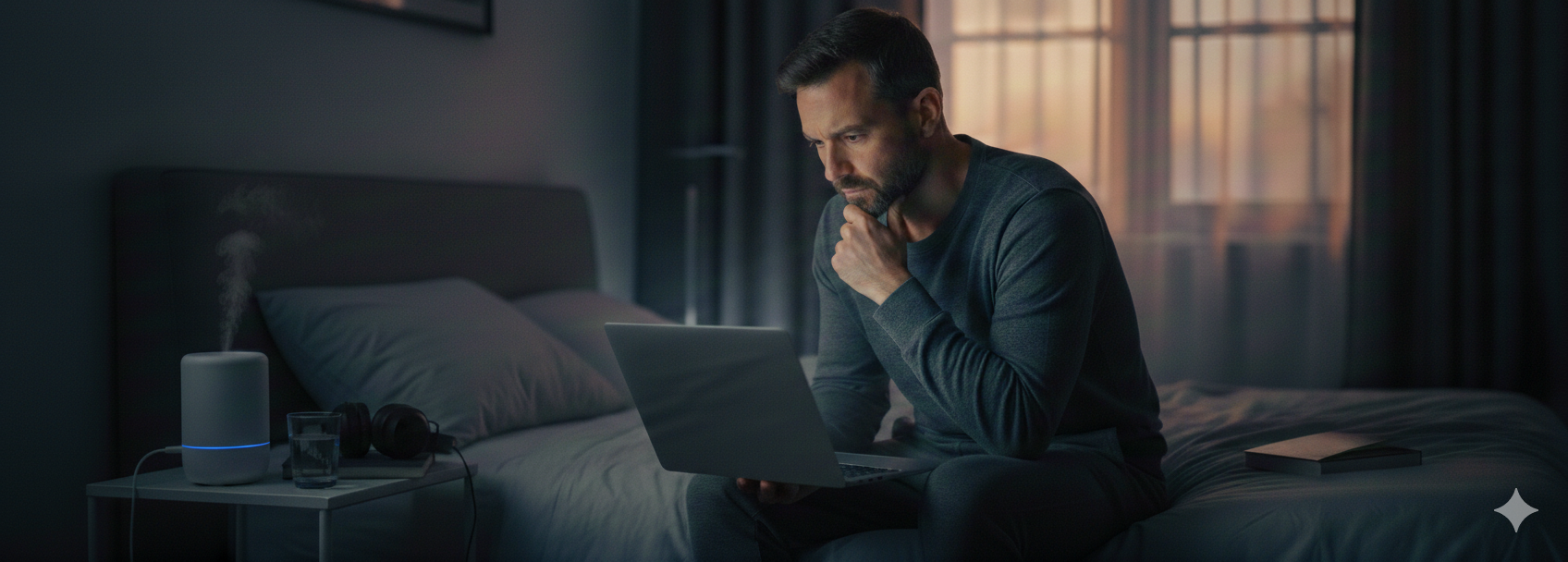
Doom scrolling before bed: Blue light aside, scrolling triggers dopamine hits and activates your stress response (especially if you’re reading news or social media). This spikes cortisol right when it should be dropping.
Alcohol as a sleep aid: Alcohol might help you fall asleep, but it fragments sleep architecture, suppresses REM, and causes middle-of-the-night awakenings when your blood alcohol level drops. You’ll sleep worse.
Late workouts: High-intensity exercise too close to bedtime elevates cortisol and adrenaline. Morning or afternoon training is ideal for sleep quality.
Caffeine timing: Caffeine has a half-life of 5-6 hours. If you have coffee at 3pm, 25% is still in your system at 9pm. Cut off caffeine by noon if you’re sensitive.
1. Why do I wake up at 3am?
This is usually caused by: (1) blood sugar drops (ate too many carbs at dinner, insulin crashed), (2) cortisol spike (stress response), or (3) REM rebound (your body is trying to catch up on REM after suppressing it early in the night). Fix: regulate dinner timing, manage stress, and avoid alcohol.
2. How long does it take to fix sleep quality?
Most people see improvements in 7-14 days if they address light exposure, consistency, and stress management. Deep sleep improvements can take 3-4 weeks as your circadian rhythm stabilizes.
3. Is 6 hours of sleep enough?
For most adults, no. While rare genetic short sleepers exist (<1% of the population), most people need 7-9 hours. If you’re consistently getting 6 hours and feel fine, track your deep sleep—you’re likely only getting 30-40 minutes, which isn’t enough for recovery.
4. Does magnesium really help with sleep?
Yes, if you’re deficient (which many people are). Magnesium glycinate has the most clinical evidence for improving sleep quality, especially reducing nighttime awakenings and extending deep sleep.
5. Why am I tired after 8 hours of sleep?
You’re likely not getting quality sleep. Common culprits: sleep apnea (get tested), mouth breathing (try mouth tape), room too warm, or high stress fragmenting your sleep cycles. Track your sleep with a wearable to see your deep/REM breakdown.
The Bottom Line
Improving sleep quality naturally comes down to aligning your behavior with your biology: light exposure, consistency, stress management, temperature, and nutrition timing. These aren’t hacks—they’re requirements for deep, restorative sleep.
Start with three changes: (1) morning sunlight, (2) consistent sleep/wake times, and (3) magnesium supplementation. Track your progress for 2 weeks. Once those become automatic, layer in the other strategies.
Sleep isn’t a luxury—it’s the foundation for fat loss, muscle building, cognitive performance, and longevity. Fix this first, and everything else gets easier.
Try for yourself!
Boost your digestion and energy with two of the best-reviewed wellness supplements.

One of the most common reasons people sleep poorly is a magnesium deficiency they don’t even know they have. Double Wood’s Magnesium Glycinate is the most absorbable form — calms your nervous system, deepens sleep, and is gentle on your stomach.
- 400mg Per Capsule: Clinical dose per serving
- 6-Month Supply: 180 capsules per bottle
- Third-Party Tested: Microbes & heavy metals verified
- Easy on Stomach: Glycinate form, zero digestive issues
- Vegan, Non-GMO & Gluten Free
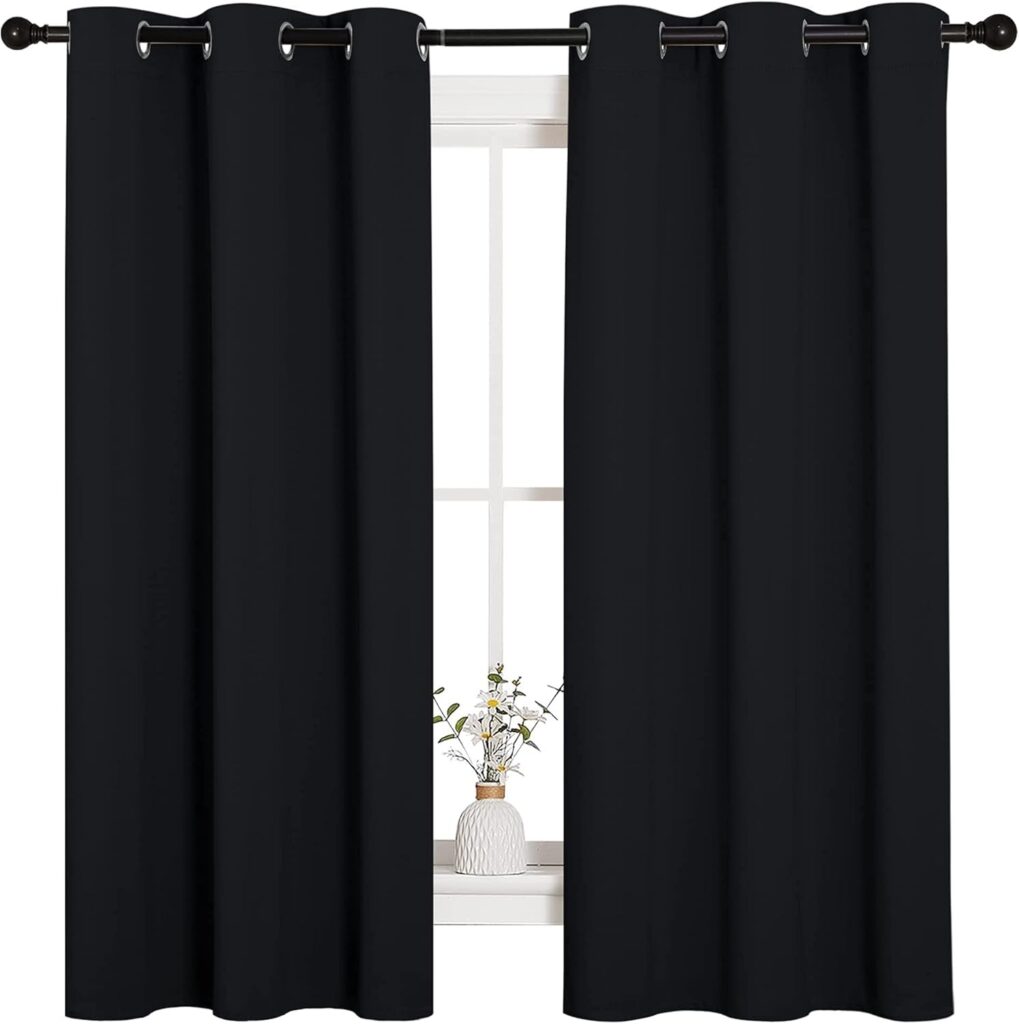
Light sneaking in at night is silently destroying your melatonin. These blackout curtains turn your bedroom into a true sleep sanctuary — total darkness, less noise, better temperature control. Check it Out →
- 99% Light Blocked: True blackout coverage
- Thermal Insulated: Cooler summers, warmer winters
- Noise Reducing: Triple-weave sound dampening
- Wrinkle-Free: Ready to hang out of the box
- Machine Washable: Easy long-term care
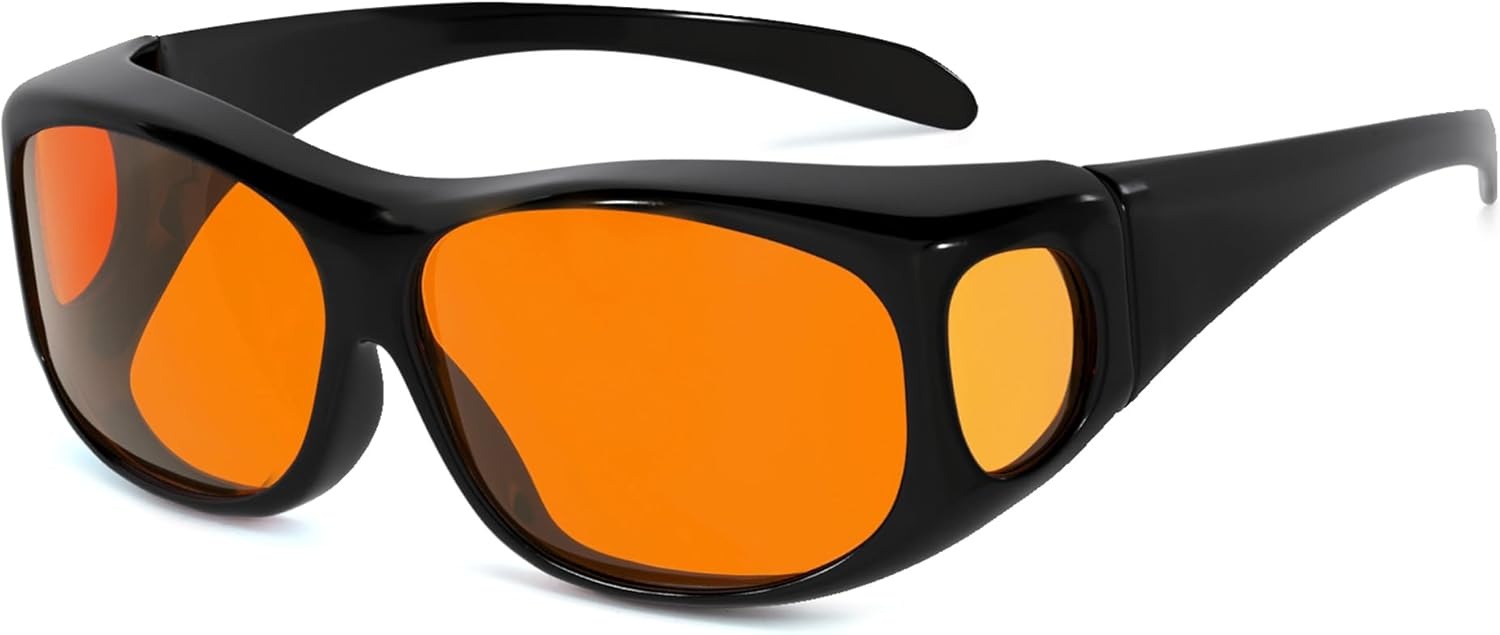
Still scrolling at night? These blue light blocking glasses protect your melatonin levels so your brain actually knows it’s time to sleep.
- 100% Blue Light Filtered: Amber lens tech
- Fits Over Prescription Glasses
- Blocks 90% High-Energy Visible Light
- Lightweight TR90 Frame
- Unisex Design: Men & Women
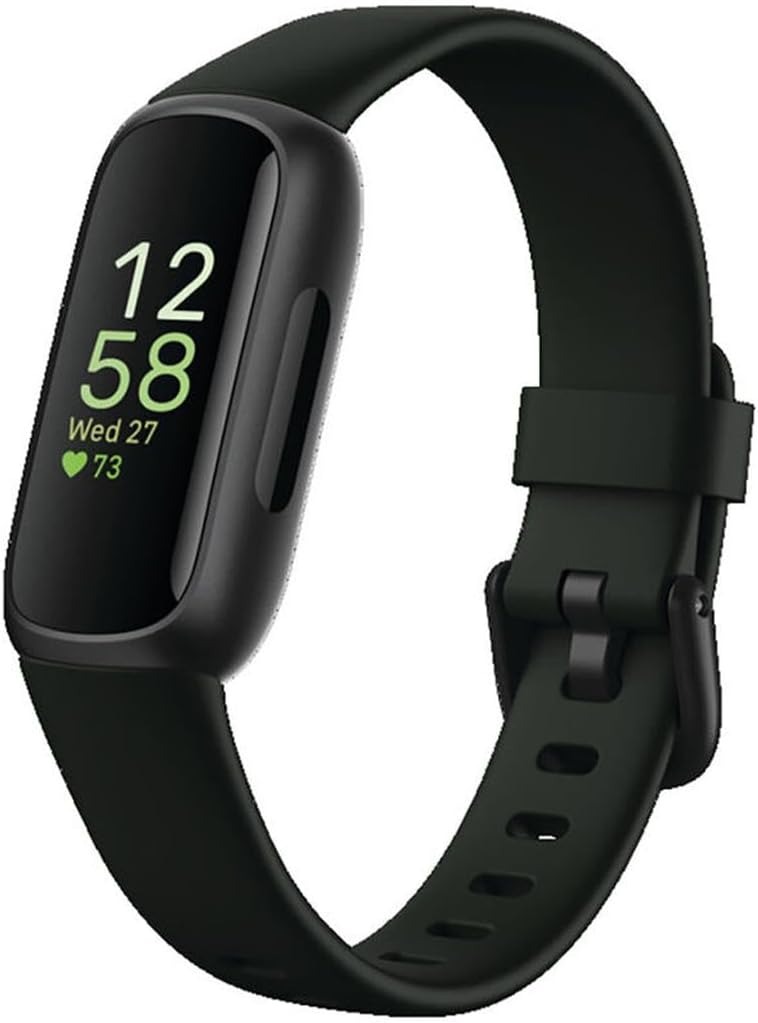
Want to finally see exactly what’s happening while you sleep? The Fitbit Inspire 3 tracks every stage of your night so you wake up with answers, not guesses.
- Sleep Stage Tracking: Deep, REM & Light
- Daily Sleep Score: 1–100 at a glance
- Blood Oxygen Monitoring: SpO2 built in
- 10-Day Battery Life
- Stress & Heart Rate Tracking 24/7
Related Posts
Want no-BS supplement breakdowns like this every week? Join my newsletter and get straight-to-the-point wellness tips that cut through the hype.